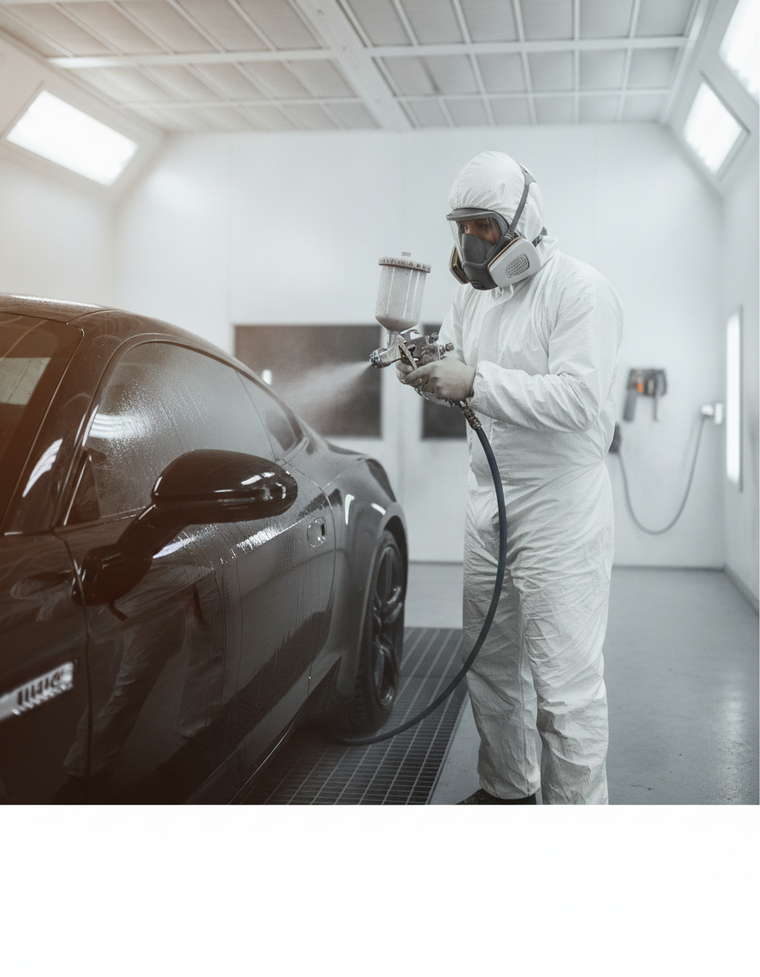
Selecting the right abrasives is paramount when it comes to achieving top-notch automotive paint and repair results. This article delves into the art of choosing the perfect auto abrasives for professional outcomes. You'll gain insights into the diverse array of options available at AutofxMart and how to utilize them for optimal performance.
Exploring the Varieties of Abrasives
At AutofxMart, you'll encounter two primary categories of abrasives: sanding abrasives and cutting abrasives.
Sanding Abrasives
Sanding abrasives play a crucial role in eliminating imperfections from a vehicle's surface. They encompass an assortment of tools such as sandpaper, sanding sponges, and sanding discs. Sandpaper, in particular, comes in various grits, with coarser grits having a greater material-removal capacity.
Cutting Abrasives
For shaping surfaces and removing excess material, cutting abrasives are indispensable. They find common applications in grinding, deburring, and finishing tasks. The array of cutting abrasives includes grinding discs, cut-off wheels, and flap discs.
Selecting the Ideal Abrasive for Your Task
Picking the right abrasive course is pivotal in achieving professional-grade results. Consider the following factors:
1. Grit
The grit of the abrasive dictates its coarseness. Lower grits are more aggressive, capable of removing substantial material, whereas higher grits offer a smoother finish. Common grits range from 40 to 600, with 40 being the coarsest and 600 the finest. Choose the grit based on your working surface and the level of roughness you need to address.
2. Material
Material composition plays a significant role in abrasive selection. Different materials possess varying hardness levels, necessitating specific abrasive types. For instance, wood or plastic may demand a less aggressive abrasive, whereas metal might require a more robust option. Ensure your choice aligns with the material at hand.
3. Application
The application area also influences your choice of abrasive. Different abrasives are suited for distinct applications. For flat surfaces, a sanding disc shines, while contoured surfaces benefit from a sanding sponge or flap disc. Delicate surfaces often call for fine-grit sandpaper or a sanding sponge.
4. Durability
Durability is another critical consideration. AutofxMart's advanced auto abrasives offer extended lifespan without breaking the bank. Others might be cheaper but less enduring. Evaluate your project's scale and duration when assessing durability needs.
5. Cost
Costs can vary significantly depending on abrasive type, grit, and quality. While pricier abrasives might deliver superior performance, they might not be essential for every task. Factor in your budget and the abrasive's value for your specific project. AutofxMart stocks quality materials at budget-friendly prices.
By diligently considering these factors during abrasive selection, you'll ensure you've chosen the right tool for your auto paint supplies and abrasives. Always adhere to the manufacturer's instructions when using abrasives, as improper ge can lead to surface damage and subpar results.
Prioritizing Health and Safety
Practicing safety measures while using abrasives is paramount. Here are some essential tips:
Don protective gear, including gloves and goggles, to shield against dust and debris.
Prevent inhalation of dust particles by wearing a respirator.
Ensure the workspace is well-ventilated.
Avoid using abrasives near flammable materials.
Handling Different Surfaces
When dealing with diverse surfaces, keep the following pointers in mind:
For removing rust or paint from metal surfaces, opt for a grinding or sanding disc.
Safeguard fiberglass or plastic surfaces by using a sanding sponge or fine-grit sandpaper to prevent damage.
Employ a sanding sponge or flap disc for curved or contoured surfaces to avoid unsightly scratches.
Attaining Professional-Quality Outcomes
Achieving professional-grade results goes beyond selecting the appropriate abrasive. Follow these tips for the best results:
1. Start with a Coarse Grit Abrasive
Begin with a coarse grit abrasive and gradually progress to finer grits. This approach eliminates rough spots and promotes an even surface. Coarse grit abrasives also minimize clogging and facilitate a smooth finish. Finer grits remove any remaining scratches.
2. Use a Backing Pad with Sanding Discs
To prevent surface scratches, employ a backing pad alongside sanding discs. The pad cushions and distributes pressure evenly for a flawless finish. Ensure the pad matches the sanding disc's size and type.
3. Employ a Circular Motion
When sanding or cutting, adopt a circular motion to avoid leaving lines on the surface. Change the direction as you switch to finer grit abrasives to prevent visible scratches.
4. Keep Abrasives Clean
Maintaining clean abrasives is vital for professional results. Dust and debris can mar performance and lead to scratches. Use a brush or compressed air to remove debris, ensuring your abrasive stays in prime condition.
5. Apply the Correct Pressure
Proper pressure application is crucial. Excessive pressure can dig into the surface, leaving deep scratches, while too little can result in an uneven finish. Maintain just enough pressure to keep the abrasive in contact without digging.
6. Use Proper Safety Gear
Protect yourself with goggles, gloves, and a respirator to shield against debris and dust inhalation. A well-ventilated workspace minimizes exposure to harmful substances.
In Conclusion
Selecting the right abrasives is pivotal for achieving professional-quality results in the automotive industry. It's equally important to prioritize health and safety, adapt to different surfaces, and follow essential tips for superior outcomes. By heeding these guidelines, you can ensure your automotive paint and repair work stands out. Explore AutofxMart for top-tier auto abrasives today.